

Dental Bridges in Gajularamaram
- 10+Years of experience
- 16,000+Patients treated
- 5.0Google rating
- 60–75 minutes for the first visit
- two visits, about two weeks apart
- Mon – Sun: 9:30 AM – 9:30 PM
What Is a Dental Bridge?
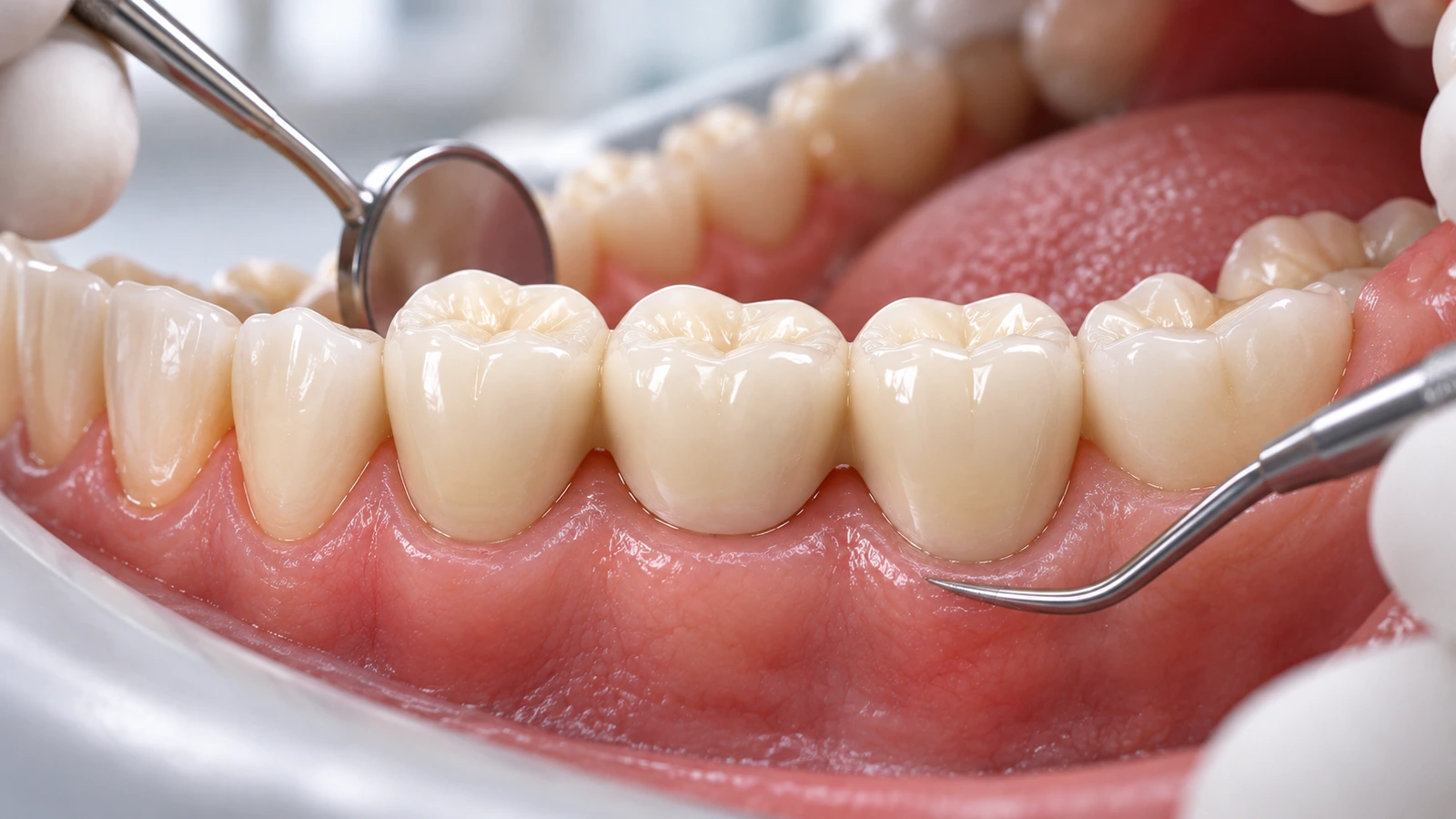
A dental bridge fills a gap by joining a replacement tooth to the teeth on either side of it. Those neighbouring teeth are shaped and crowned, the replacement is joined between them, and the whole thing is cemented in as a single piece. Nothing comes out, nothing clips on, and after a week or two most people stop noticing it is there.
The idea is old and the engineering is simple: the gap has no root to build on, so the bridge borrows support from the teeth that do. That borrowing is also the trade. A tooth being used as a bridge support has to be reduced on every surface to make room for the crown that carries it, and tooth removed to make that room does not grow back. Where those teeth are already heavily filled and heading for crowns anyway, that costs almost nothing. Where they are untouched and healthy, it costs a great deal, and an implant deserves a serious look first.
The part people underestimate is underneath. The replacement tooth sits on the gum rather than in it, and the small space between the two collects everything a normal tooth would let through. A bridge cleaned under every day lasts fifteen years and more; one that is only brushed on top fails at the margins of its supports, quietly, and takes those teeth down with it.
Two Ways a Bridge Is Carried

Carried by Your Own Teeth
The conventional bridge, and what most people mean by the word. The teeth either side of the gap are shaped and crowned, and the replacement tooth is joined to those crowns as one solid piece. It is cemented in and never comes out.

Carried by Implants
Where the teeth either side are healthy and better left alone, or where there are no teeth either side to use, the bridge is carried on implants instead. Longer to complete and a small operation, but nothing else is touched.
When Is a Bridge the Right Answer?
A bridge suits a gap with something solid on at least one side of it. These are the situations where it tends to be the better choice rather than the quicker one.
- One or two teeth missing in a rowA short gap with sound teeth beside it is what a bridge is designed for.
- Neighbours that already need crownsIf those teeth are heavily filled and due for crowning anyway, the bridge comes almost free of extra cost in tooth structure.
- A tooth that cannot be savedPlanned before it is taken out, so the gap is filled rather than lived with.

- You want it finished in weeksTwo visits across a fortnight, rather than the months an implant needs to heal.
- A partial denture you dislikeSomething fixed that you never take out, instead of a plate that moves while you eat.
- Chewing has moved to one sideA gap you have started eating around, loading the other side twice as hard.
Options
Types of Bridge
What changes between them is where the support comes from, and how much of the neighbouring teeth has to be prepared to get it.
 1
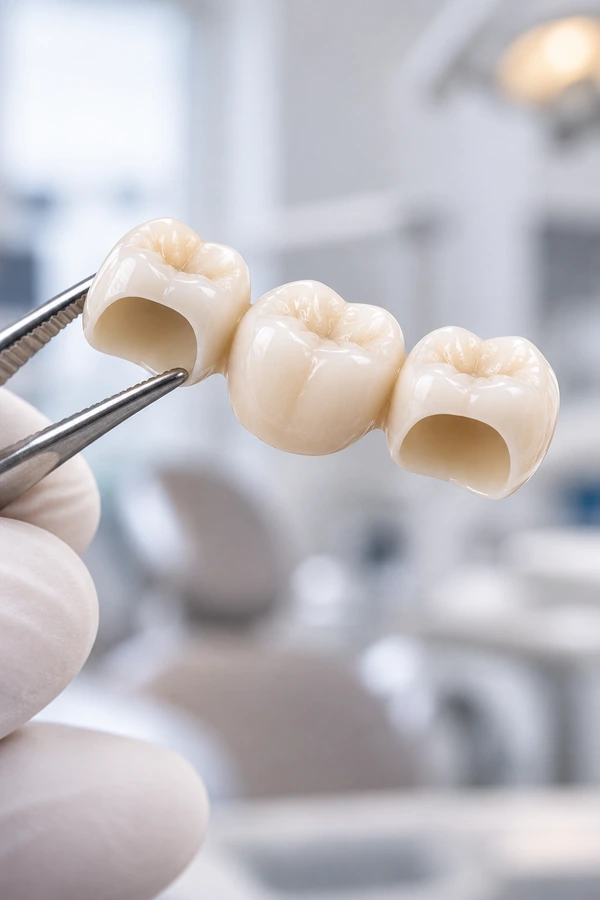
Traditional bridge
Crowns on the teeth both sides of the gap with the replacement joined between them. The strongest and by far the most common design.
 2
Cantilever bridge
Anchored on one side only, for a gap with a sound tooth on just one end. Used where chewing forces are lighter, usually towards the front.
 3
Maryland bridge
A replacement tooth with thin metal or ceramic wings bonded to the backs of the neighbours. Almost no tooth is removed, which makes it the most conservative option.
 4
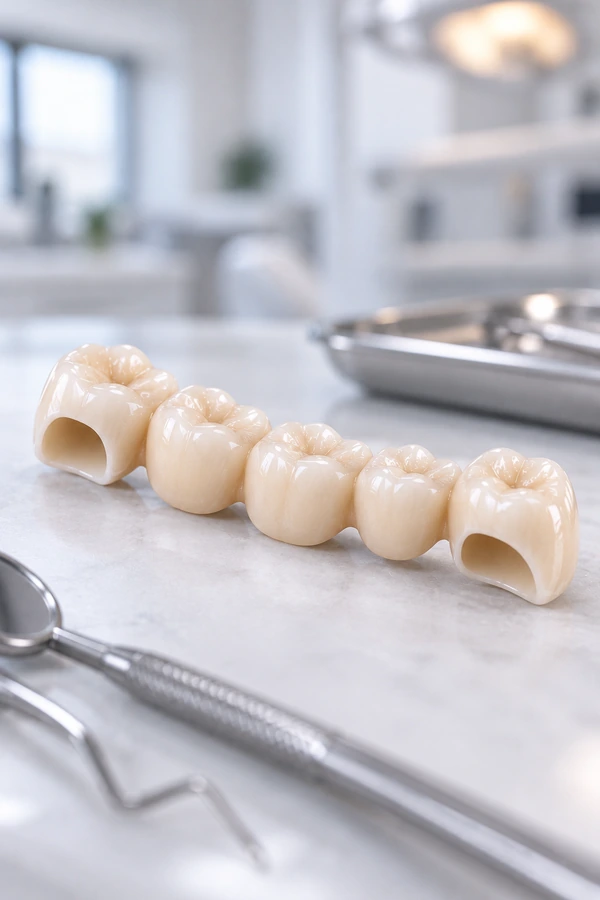
A longer-span bridge
Four or more units replacing two or three missing teeth. Needs strong, well-rooted teeth at each end, because they carry everything in between.
How Is a Bridge Fitted?
Shaping the supports and taking the scan
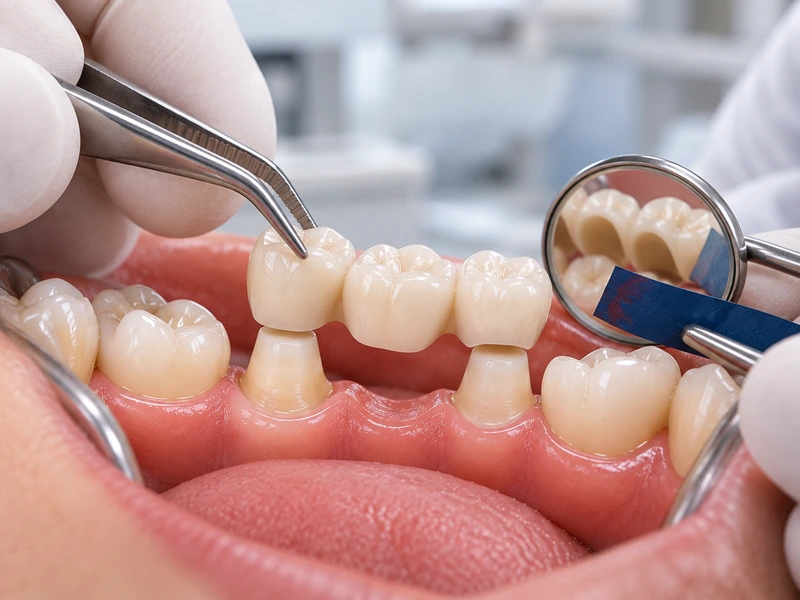
The teeth either side are numbed and reduced on every surface, exactly as they would be for individual crowns, so there is room for the bridge to sit over them without being bulky. A scan or impression then records the prepared teeth, the gap between them and how you bite. A temporary bridge is made and cemented before you leave, so the gap is never on show and the prepared teeth are never exposed.

Trying in, adjusting and cementing
The temporary comes off and the finished bridge is tried in without cement. Three things are checked before it goes anywhere: that both ends seat fully, that the shade and shape match the teeth around them, and that the underside of the replacement tooth sits lightly against the gum rather than pressing into it — that contact is what decides whether it can be kept clean. Then it is cemented and the excess cleared away.
Recovery
Looking After Your Bridge
A bridge is one solid piece, which is what makes it strong and also what makes cleaning it a different job from cleaning teeth.
- 1
Clean underneath it
The replacement tooth has no root, so there is a space beneath it where food collects. A floss threader or interdental brush passed under it daily is the single thing that decides how long the bridge lasts.
- 2
The first week
Mild sensitivity in the supporting teeth and a slightly full feeling are normal. If the bite feels high at any point, come back rather than waiting for it to wear in.
- 3
What shortens a bridge's life
Decay at the margins of the supporting crowns, almost always from plaque left at the gum line. Grinding at night is the other one, and a guard protects against it.
- 4
When it needs attention
A bridge that feels loose at one end, a dark line appearing at a margin, or an odour from underneath. A bridge loose on one support needs seeing quickly — decay can run on unseen underneath it.
Fixed or removable
A Bridge vs a Partial Denture
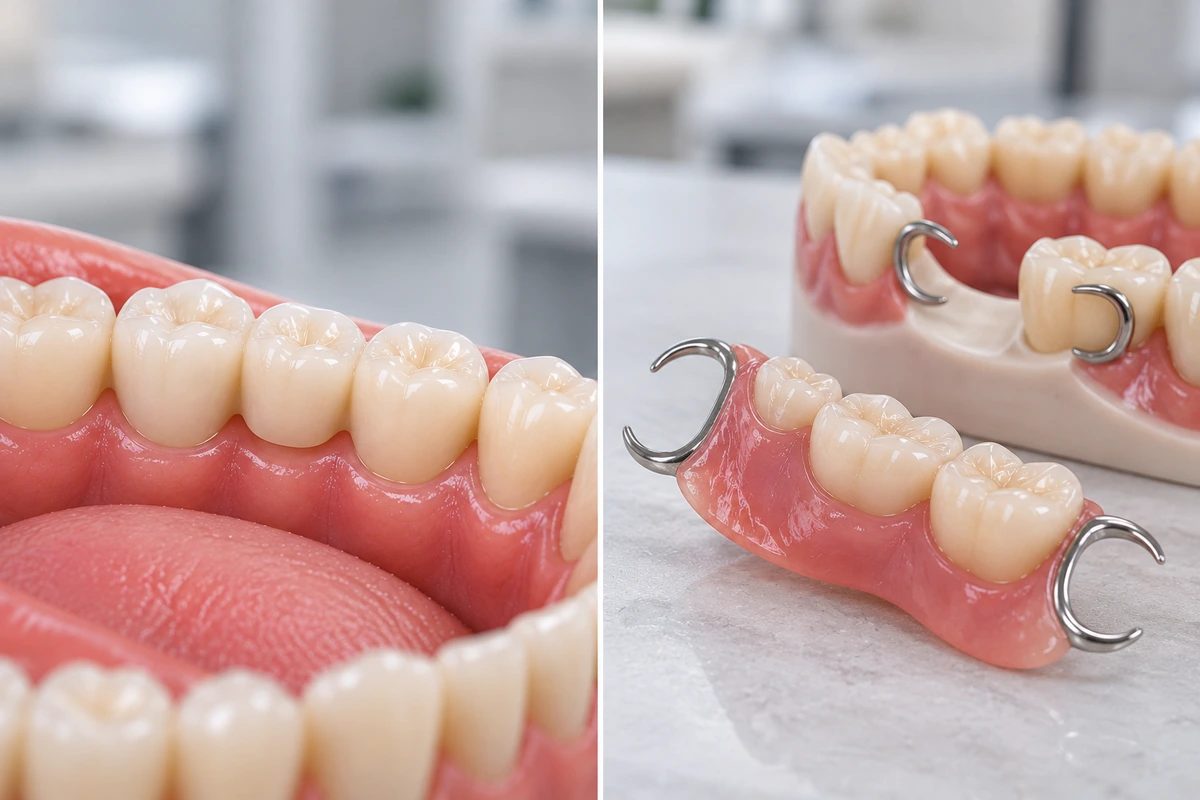
For one or two missing teeth these are the two non-surgical options, and the difference is simply whether the replacement comes out at night.
A partial denture rests on the gum and clips to the remaining teeth. Nothing is drilled, it can be made quickly, and it can be added to later if more teeth are lost. What it asks in return is tolerance: it covers gum, it takes getting used to, it moves a little while you eat, and it has to come out to be cleaned. Many people manage perfectly well with one; a good number never settle.
A bridge is fixed and behaves like teeth — you forget it is there, which is the whole point. The price is that the teeth either side are reduced to carry it, and that if the bridge ever fails, whatever is wrong usually has to be dealt with on those teeth too. It suits a short gap with sound neighbours. It suits a long gap and weak neighbours very badly, and that is when a denture is the more sensible answer rather than the lesser one.
What Happens at Your First Consultation
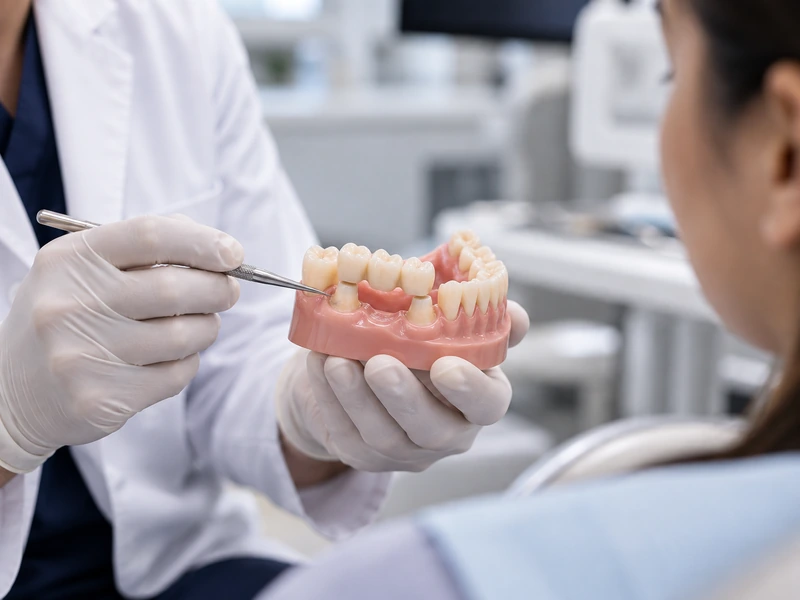
- 1ExaminationThe gap, the teeth either side, the gum under it and how your teeth meet.
- 2X-rayThe roots of the supporting teeth, and whether there is decay or old root canal work.
- 3Support checkWhether those teeth are strong enough to carry a bridge, and for how many units.
- 4PlanWhich design suits the gap, two visits about a fortnight apart, and what you wear between.
- 5AftercareHow to clean underneath it, which is what decides how long it lasts.
Why us
Why Choose Us for Your Bridge
- The alternatives, an implant or a denture, are explained before you decide.
- Every option is explained with its pros and cons, and treatment starts only after you and your doctor sign a written consent.
- Instruments sterilised for every patient, under a strict standard.
- Open every day, 9:30 AM to 9:30 PM, on Usha Mullapudi Road, Gajularamaram.
Tooth Pain & Repair
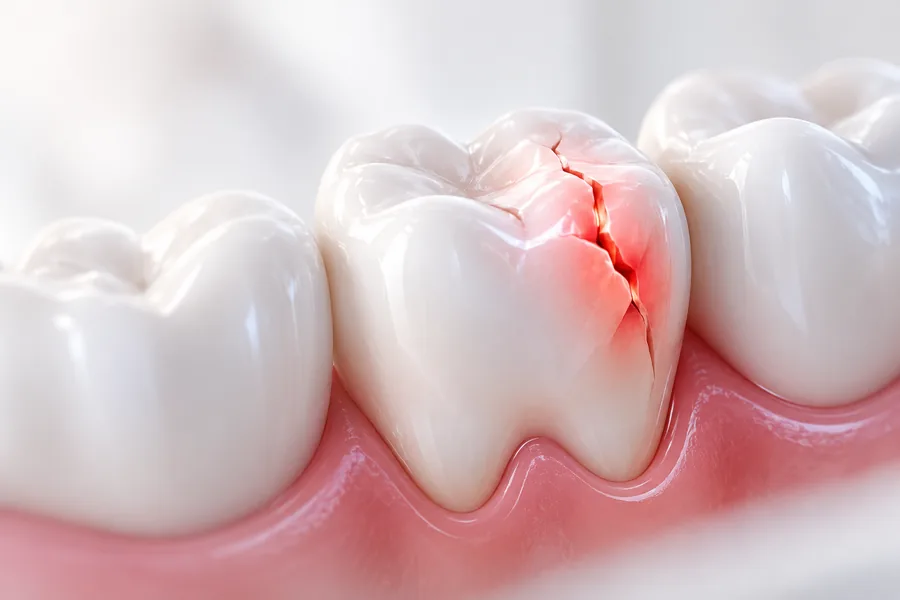
Relief from toothache and repair for decayed, cracked or broken teeth, from fillings and root canals to crowns.
- Root Canal Treatment
- Tooth Sensitivity Treatment
- Cavity Treatment
- Tooth Fillings
- Dental Crowns & Caps
- Wisdom Tooth Removal
- Emergency Dental Care
 learn more
Missing Teeth
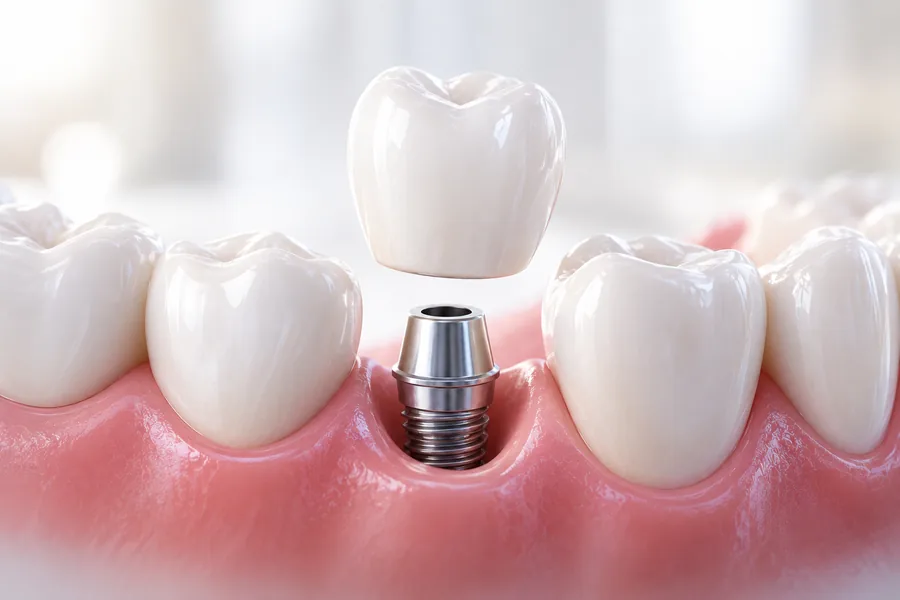
Implants, bridges and dentures to replace missing teeth, planned by our implantologist with each option explained honestly.
 learn more
Straightening
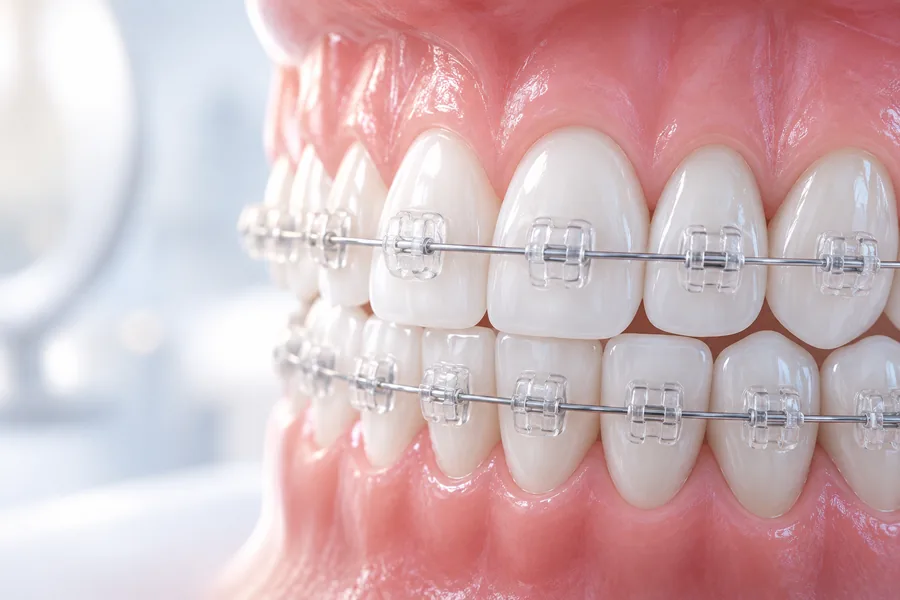
Braces and clear aligners for crooked or gapped teeth, for children and adults.
 learn more
Cosmetic
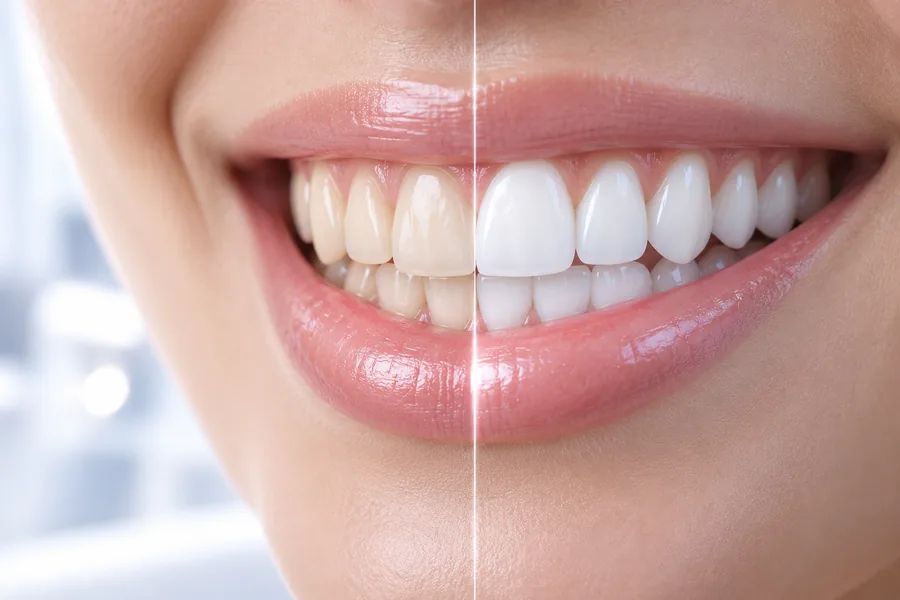
Whitening, veneers, bonding and smile makeovers to improve the colour and shape of your smile, led by our cosmetic dentist.
 learn more
Gums & Cleaning
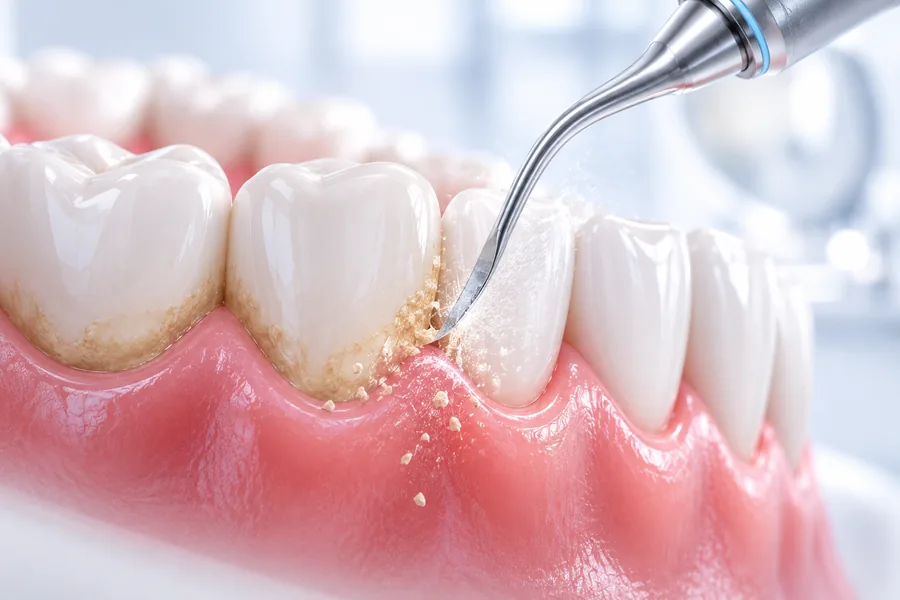
Cleaning, gum treatment and laser gum care for bleeding gums and bad breath, with our periodontist.
 learn more
Kids & Family
Gentle check-ups, fluoride and sealants for children with our pedodontist, and routine check-ups for the whole family.






Verified Google Reviews
Sathish
2026 · Google
Excellent Experience at Kleem Dental Universe, Gajularamaram! I had a wonderful experience at Kleem Dental Universe, Gajularamaram. Dr. Sai Teja explained the entire treatment process very clearly and patiently. I really liked his way of talking and how comfortably he explained everything before starting the treatment. He performed the treatment perfectly and made sure I was comfortable throughout the procedure. The clinic atmosphere was clean, pleasant, and welcoming. I also appreciated the professional approach and the care taken during the treatment. Dr. Sai Teja is truly excellent at both explaining the treatment and performing it with care and precision. I am very happy with my experience and would definitely recommend Kleem Dental Universe to anyone looking for quality dental care. Thank you, Dr. Sai Teja, for the excellent treatment and friendly approach! 😊
venkatasateesh naidu
2026 · Google
Here is my genuine review. I went here For teeth cleaning . Doctor is very patient ,smiling, very approachable. I felt like i am talking to a friend . He was gentle on my teeth and he is giving utmost importance to my comfort. I felt free to take breaks in between. Coming to clinic atmosphere. Very calm and peaceful. Here onwards this is my go to dental clinic for my family needs
Methri Naveen
2026 · Google
Your receiving is very good and your response is very good. The doctor explained very well. Please visit again and again. Kleem Dental Universe Gajularamaram.
Near you
Dental Bridges Near You in Gajularamaram
If you have been searching for a dental bridge near you, the appointment that matters is the one that examines the teeth either side of the gap. A bridge is only ever as good as what carries it, and whether those teeth are up to the job is decided by an examination and an X-ray, not by the size of the gap.
It is also worth asking about before a tooth comes out rather than after. Planning the replacement while the tooth is still there keeps every option open, including the ones that are harder to reach later.
99494 16661Gajularamaram
Contact
Reach out to schedule your next dental visit
Whether you have a question, need expert advice, or are ready to book your next appointment, our team is here to help.
Reach out to us on
- Phone Number 99494 16661
- Location 1st Floor, Usha Mullapudi Rd, Above Muthoot Finance, Opp. Lakshmi Jewellers, Gajularamaram, Hyderabad, Telangana, 500117
Working Hours
- Mon – Sun:
- 9:30 AM – 9:30 PM
FAQs
Frequently asked questions about dental bridges
Still have a dental question?
Send us a message and our dental team will help.
How long does a bridge last?
Commonly ten to fifteen years, and often a good deal longer. What ends a bridge is almost never the bridge itself — it is decay at the margin of one of the supporting crowns, which comes from plaque sitting at the gum line. How well the underside is cleaned matters more than the material it is made of.
Does getting a bridge hurt?
The supporting teeth are numbed for the preparation visit, so it is pressure rather than pain, and the fitting visit usually needs no anaesthetic at all. Teeth that have already had root canals feel nothing either way.
Will people be able to tell?
Not if it is made well. The shade is matched to your own teeth before anything is prepared, and the bridge is tried in before cementing so it can go back if it is not right. The part that gives a poor bridge away is usually not the colour but the gum line, which is why how the replacement tooth meets the gum is checked so carefully.
Can I have a bridge if I have only one tooth beside the gap?
Sometimes. A cantilever bridge is anchored on one side only, and it works where the forces are lighter — generally towards the front of the mouth. On a back tooth taking heavy chewing, a one-sided anchor tends to work itself loose over time, and an implant is usually the sounder answer.
How do I clean under a bridge?
With a floss threader or a small interdental brush, passed under the replacement tooth once a day. Ordinary flossing cannot get there because the bridge is one solid piece with nothing to drop between. This one habit is the difference between a bridge that lasts fifteen years and one that fails in five.
What happens if a bridge comes loose?
Call rather than wait, even if nothing hurts. A bridge that has come loose at one end but is still held at the other allows saliva and bacteria under the loose crown where nobody can see, and decay can progress a long way before it becomes obvious. Recemented early it is usually straightforward.